The Naturalist: A Balanced Evaluation of the Handwritten Urban Font
In the landscape of digital and print typography, finding a typeface that bridges the gap between professional polish and personal warmth is a common challenge. The Naturalist has emerged as a significant option for designers seeking an urban, relaxed, and stylish handwritten aesthetic. This font family is specifically engineered to mimic the fluidity of human handwriting while maintaining the structural integrity required for legible design work. Whether you are creating wedding invitations, thank you cards, or modern business branding, understanding the specific characteristics and applications of The Naturalist is essential before integrating it into your project.
Defining the Character of The Naturalist
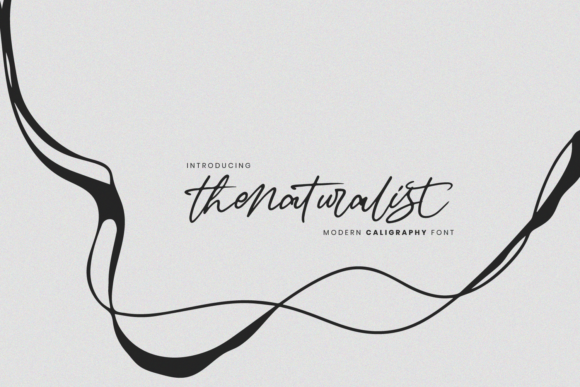
The Naturalist is not merely a decorative script; it is a sophisticated interpretation of casual penmanship. Its design philosophy centers on an "urban" feel, which suggests a contemporary edge rather than a traditional or vintage calligraphy style. The strokes vary in weight and angle, replicating the natural inconsistencies found when writing with a marker or brush on paper. This variation gives the text a dynamic quality that static serif or sans-serif fonts often lack.
When evaluating this typeface, one must look at its stroke terminals and letter connections. The Naturalist features loose connections and open counters, which contribute to its relaxed atmosphere. Unlike formal cursive scripts that require strict adherence to baseline alignment, The Naturalist allows for a slightly more organic flow. This stylistic choice makes it particularly effective for designs where the goal is to evoke a sense of authenticity and approachability.
Primary Applications and Use Cases
The versatility of The Naturalist allows it to function effectively across a wide spectrum of design mediums. However, its strength lies in specific contexts where a handwritten touch is necessary to convey emotion or personality.
- Wedding Invitations: One of the most prominent uses for this font is in wedding stationery. The elegant yet informal nature of The Naturalist fits well with modern, bohemian, or garden-themed weddings. It adds a personal signature element that feels intimate without appearing messy.
- Greeting and Thank You Cards: For personalized communication, The Naturalist excels. Whether used for holiday greetings or post-event appreciation notes, the font simulates the effort of writing by hand, enhancing the perceived value of the message.
- Branding and Logos: Businesses aiming for a boutique, artisanal, or creative image often utilize The Naturalist for their logos. It works particularly well for lifestyle brands, cafes, boutiques, and creative agencies that want to appear accessible and human-centric.
- Business Cards: When paired with clean, minimalist sans-serif body text, The Naturalist can serve as an excellent accent font on business cards. It provides a focal point that draws the eye to the name or title, distinguishing the card from standard corporate templates.
- Quote Graphics and Social Media: In the era of visual content marketing, quotes need to stand out. The Naturalist's stylish curves make it ideal for Instagram posts or Pinterest graphics where readability must be balanced with artistic flair.
Benefits of Choosing a Handwritten Style
Selecting The Naturalist over a standard geometric or slab-serif font offers several distinct advantages. The primary benefit is emotional connection. Handwritten typography triggers a psychological response associated with human interaction. It signals that a person was involved in the creation of the piece, fostering trust and rapport with the audience.
Furthermore, The Naturalist provides immediate visual hierarchy. In a layout dominated by blocky, uniform text, a handwritten element creates contrast. This contrast guides the reader's eye to the most important information, such as a headline or a call to action. The urban styling also ensures that the design does not feel dated; it retains a modern sensibility that appeals to younger demographics who prefer authentic aesthetics over rigid formality.
Tradeoffs and Considerations
While The Naturalist is a powerful tool, it is not a universal solution. Designers must carefully consider the tradeoffs associated with using any handwritten typeface. Legibility is the first concern. Because the letters mimic the irregularities of handwriting, they can sometimes be difficult to read at small sizes or when set in all-caps. It is crucial to test the font at the intended output size before finalizing a design.
Another consideration is consistency. While the variation in stroke width is a feature, too much variation can lead to a cluttered appearance if the spacing (kerning) is not adjusted manually. Unlike variable fonts that automatically adjust spacing based on context, handwritten fonts often require manual tweaking to ensure that the text flows smoothly. Additionally, the "relaxed" nature of the font may undermine the authority of a brand that needs to project strict professionalism, such as a law firm or a financial institution.
Situations Where Alternatives May Be Preferred
There are scenarios where The Naturalist might not be the optimal choice. If a project requires high legibility for dense blocks of text, such as long articles or technical documentation, a neutral sans-serif or serif font is far superior. Handwritten fonts are generally unsuitable for body copy due to the cognitive load required to decode the varying letterforms.
Furthermore, if the design brief calls for a classic, timeless elegance rather than a trendy, urban vibe, a traditional copperplate or Spencerian script might be more appropriate. Similarly, for projects targeting a strictly corporate or industrial audience, the casual nature of The Naturalist could clash with the desired brand voice. In these cases, sticking to a more structured typeface ensures that the message remains clear and unambiguous.
Practical Decision-Making Insights
To determine whether The Naturalist aligns with your specific goals, consider the following decision-making framework. First, define the emotional tone of your project. Does it require warmth, creativity, and a personal touch? If yes, The Naturalist is a strong candidate. Second, analyze the hierarchy of your content. Will the font be used for headlines and accents only, or will it carry the bulk of the information? Limiting its use to key elements usually yields the best results.
Third, evaluate the target audience. Are they likely to appreciate a modern, stylized aesthetic? Younger audiences and creative industries tend to respond positively to the urban handwritten style. Finally, conduct practical tests. Print samples of your design in black and white to check contrast, and view them on mobile devices to ensure the stroke details do not become muddy on smaller screens.
Conclusion
The Naturalist stands out as a versatile and stylish option for designers looking to inject a human element into their work. Its urban, relaxed character makes it exceptionally well-suited for wedding invitations, greeting cards, logos, and branding materials that aim to feel authentic and approachable. However, like any typographic tool, it requires thoughtful application. By balancing its aesthetic appeal with practical considerations regarding legibility and brand voice, designers can leverage The Naturalist to create compelling visuals that resonate with their audience. Ultimately, the decision to use this font should be driven by the specific narrative you wish to tell and the emotional response you hope to elicit from your viewers.