E-sport Text Effect: Modernizing Your Digital Identity
In the rapidly evolving landscape of digital branding, visual impact is often the deciding factor between a forgotten asset and a memorable identity. The E-sport Text Effect has emerged as a critical component for creators, marketers, and entrepreneurs looking to project energy, precision, and modernity. This style is not merely about adding a glow; it represents a specific aesthetic language that communicates speed, competition, and high-tech proficiency. Whether you are designing a logotype for a gaming clan, creating promotional materials for a tech product, or simply updating a personal portfolio, understanding how to implement this effect correctly can elevate your entire workflow.
The Core Mechanics of Neon Typography
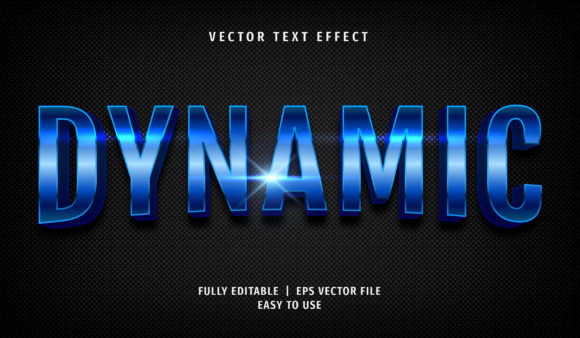
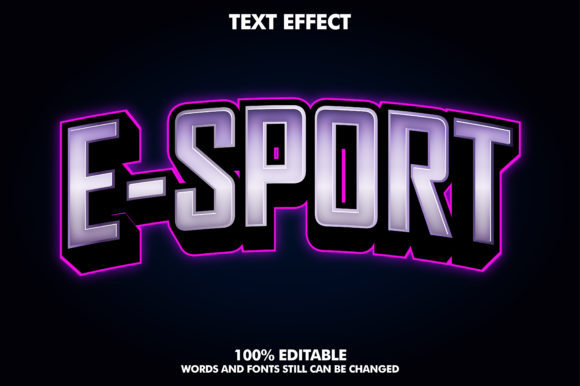
At its foundation, the E-sport text effect relies on the manipulation of light and contrast. It typically involves bold, geometric fonts that are accentuated by neon lighting properties—often utilizing outer glows, inner shadows, and vibrant color gradients. Unlike traditional typography which focuses on readability through ink-on-paper logic, this style prioritizes visibility in low-light environments, mimicking the illuminated signage found in gaming arenas and cyberpunk aesthetics.
The versatility of this effect lies in its adaptability. While the core concept remains consistent, the variables are endless. You can alter the word or title to suit any context, change the font family to match your brand's voice, and adjust the neon hue to align with your color palette. A professional might opt for a cool cyan or electric blue to suggest technology and trust, while a creative agency might choose aggressive reds or purples to evoke excitement and passion. The key is maintaining a balance where the text remains legible even when the "glow" is pushed to its maximum intensity.
Integration into Creative Workflows
Implementing the E-sport text effect requires a shift in planning. In a standard design process, text is often treated as a static element added at the end. However, when working with dynamic effects like neon lights, the text becomes an active part of the composition from the very beginning. This affects how you approach file organization and layer management.
For freelancers and small business owners, integrating this style means preparing assets that can scale without losing quality. Vector-based workflows are generally preferred because they allow you to resize the logotype for everything from a mobile app icon to a massive billboard without pixelation. When using raster-based tools, ensuring high resolution during the initial creation phase is vital. If you plan to use the text effect in motion graphics later, consider creating separate layers for the base text, the glow, and any potential lens flares or particle effects.
- Preparation Phase: Select a font that supports heavy weights. Thin fonts often lose detail when a heavy neon glow is applied, resulting in a muddy appearance.
- Execution Phase: Use blending modes like "Screen" or "Linear Dodge (Add)" to simulate light emission naturally rather than just placing a colored blur over the letters.
- Quality Control: Always review your work on different screens. A neon effect that looks perfect on a high-end OLED monitor may appear washed out or overly harsh on older LED displays.
Beyond Gaming: Strategic Applications
While the term "E-sport" suggests a niche within the gaming industry, the utility of this text effect extends far beyond virtual competitions. Marketers and educators have found significant success using these visuals to capture attention in crowded digital feeds. The human eye is naturally drawn to high-contrast, glowing elements, making the E-sport text effect an excellent tool for call-to-action buttons, headers, and key information highlights.
Consider the scenario of a productivity-minded user launching a new software tool. By applying a subtle E-sport text effect to the product name, the logo instantly communicates innovation and cutting-edge performance. Similarly, bloggers and publishers can use this style to differentiate their content categories, such as a "Tech News" section versus a "Lifestyle" blog post. The visual cue helps users navigate the site more intuitively.
In the realm of event planning and logistics, the effect serves a functional purpose. Event banners, stage backdrops, and digital signage for conferences benefit from the high visibility of neon typography. It ensures that the message is readable from a distance and stands out against complex backgrounds. For entrepreneurs, this translates to better brand recall. A logo that pops with a modern text effect is more likely to be remembered than a flat, standard typographic mark.
Collaboration and Asset Management
When working in teams, consistency is paramount. If multiple designers are contributing to a project, establishing a shared library of E-sport text presets is essential. This prevents the common issue where one designer uses a warm orange glow while another uses a cold blue, breaking the visual cohesion of the brand. Standardizing the settings for drop shadows, outer glows, and stroke widths ensures that every piece of content feels like it belongs to the same ecosystem.
This level of organization is particularly important for agencies managing clients across different industries. A client might need a static image for social media, a video intro for YouTube, and a print banner for a trade show. Having a robust set of templates where only the text changes allows for rapid deployment without sacrificing quality. It streamlines the approval process, as stakeholders can visualize the final output quickly, reducing the number of revision cycles required.
Technical Considerations for Long-Term Use
Sustainability in design is often overlooked until a project fails to meet technical requirements. With the E-sport text effect, accessibility and compatibility are major factors. High-intensity glows can sometimes interfere with screen readers or make text difficult to read for individuals with certain visual impairments. To mitigate this, always ensure there is sufficient contrast between the text and the background. The "glow" should enhance the text, not obscure it.
Furthermore, consider the file formats you are exporting. For web use, SVG is ideal for vector text effects as it keeps file sizes small while maintaining crisp edges. For video production, PNG sequences with transparency channels are necessary to layer the text over various backgrounds. If you are generating content for social media platforms, be aware that some compression algorithms struggle with high-frequency details like fine neon lines. Testing your exports on the target platform before finalizing the campaign is a crucial step in the workflow.
- Compatibility Checks: Verify that your chosen fonts are licensed for commercial use if you are selling products or services.
- Performance Optimization: Heavy graphical effects can slow down website loading times. Use CSS filters or optimized images to balance visual appeal with site speed.
- Future-Proofing: Trends evolve. What looks futuristic today may feel dated in five years. Design your text effects so they can be easily tweaked or toned down if the trend shifts towards minimalism.
Optimizing for Engagement and Conversion
The ultimate goal of incorporating the E-sport text effect into your projects is to drive engagement. Studies in visual psychology suggest that dynamic, glowing elements increase dwell time on a page. When a user sees a title with a striking neon effect, their brain registers it as important. This psychological trigger can be leveraged to highlight key offers, upcoming events, or premium features.
However, moderation is key. Overusing the effect can lead to visual fatigue. If every headline on your website glows, nothing stands out. The most effective strategy is selective application. Use the E-sport text effect sparingly to guide the user's eye to the most critical information. This creates a hierarchy of information that makes your content easier to scan and digest.
For educators and content creators, this approach can make learning materials more engaging. Imagine a tutorial series where each module title features a unique, color-coded E-sport text effect. This not only makes the course structure visually appealing but also helps students associate specific colors with specific topics, aiding memory retention.
Conclusion
The E-sport text effect is more than a stylistic choice; it is a strategic tool for communication. By understanding its mechanics and integrating it thoughtfully into your workflow, you can create assets that are not only visually stunning but also functionally effective. Whether you are building a brand identity, organizing a team project, or simply enhancing your personal digital presence, the ability to manipulate light and typography opens up new possibilities for expression. As you move forward with your next project, remember that the best designs are those that serve a clear purpose while captivating the audience.